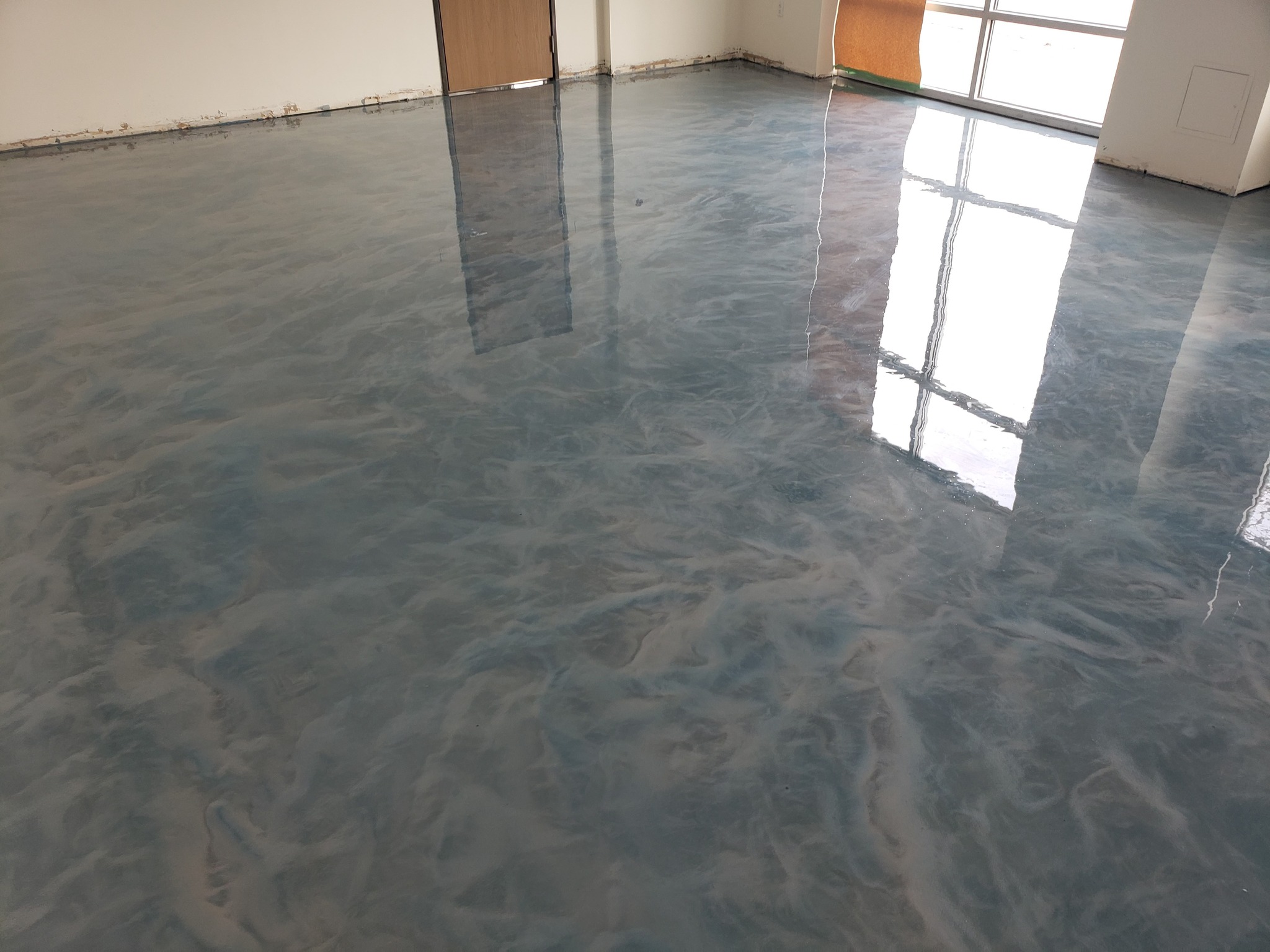
Planning to install epoxy flooring? Surface preparation is essential. Don't skip this step, especially in places with changing weather. It makes the difference between a floor that lasts and one that fails fast. We are talking about long-term results.
Epoxy needs a good grip. It won't bond to a dirty, oily, or uneven surface. If it doesn't bond, the epoxy will fail. No matter how good it is, it will peel or crack. Nobody wants that.
Good prep also affects the final look. Imperfections underneath show through the epoxy. Dust, cracks, and old coatings become part of the finished product if you aren't careful. Want a smooth surface? Then put in the work first. Grinding, patching, and cleaning are all part of the process. Your reputation and the floor's lifespan depend on it. Trying to find Local Flooring Contractor Castle Rock for your home renovation.. A little extra effort now prevents problems later.
Before you pour epoxy, surface preparation is key. You can't just apply epoxy and hope for good results. Different surfaces need different prep methods. Skip this step, and your epoxy floor will fail.
Concrete is common in Castle Rock, and it’s tricky. You must grind it. Grinding opens the concrete pores so the epoxy can bond. Think of it like Velcro: you need hooks to latch. Some use acid etching, but grinding is more reliable, especially with our freeze-thaw cycles. Moisture hurts the process. If the concrete isn't porous, the epoxy will sit on top and peel.
Wood, tile, and existing epoxy each need unique prep. Wood must be sanded and sealed. Tile needs to be very clean, and you might need to scuff it for better grip. But concrete requires real work. Getting the concrete prep right is most of the work. If you mess that up, you will have to redo it, and nobody wants that.
When cleaning before an epoxy floor, don't skip this step. Grease, oil, or chemicals can prevent the epoxy from sticking. This leads to bubbles, peeling, or a bad finish. No one wants that.
For oil stains, you might need something stronger. A solvent-based degreaser can cut through stubborn spots. Be careful! Follow the safety instructions, and ensure good airflow.
For the contractor who cares about the environment, some great bio-based degreasers exist. They might take more effort, but they're better for the environment and your health. Clients will appreciate it. Just ensure they're okay to use with epoxy. Check the product details.
First, degrease. A strong alkaline cleaner works well. Let it sit for the time suggested on the label, and then scrub. Rinse well. Then, rinse it again. Cleaner residue can interfere with the epoxy.
Chemical residues are tricky. You need to know what you're dealing with. Sometimes a neutral cleaner works. Other times you might need a special neutralizer. Always test a small area first to ensure it doesn't react with the surface.
One more thing: after cleaning, let the floor dry. Moisture under the epoxy is bad. A day or two is often safe. If it's humid, wait longer.
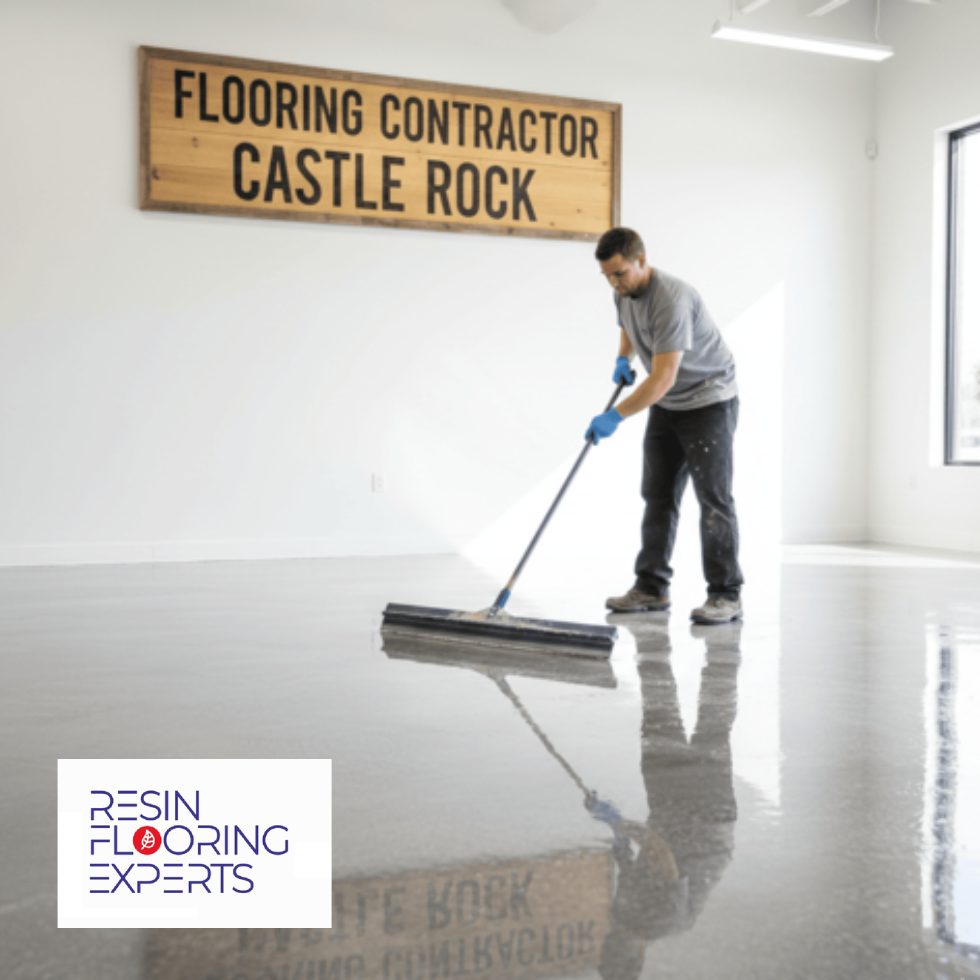
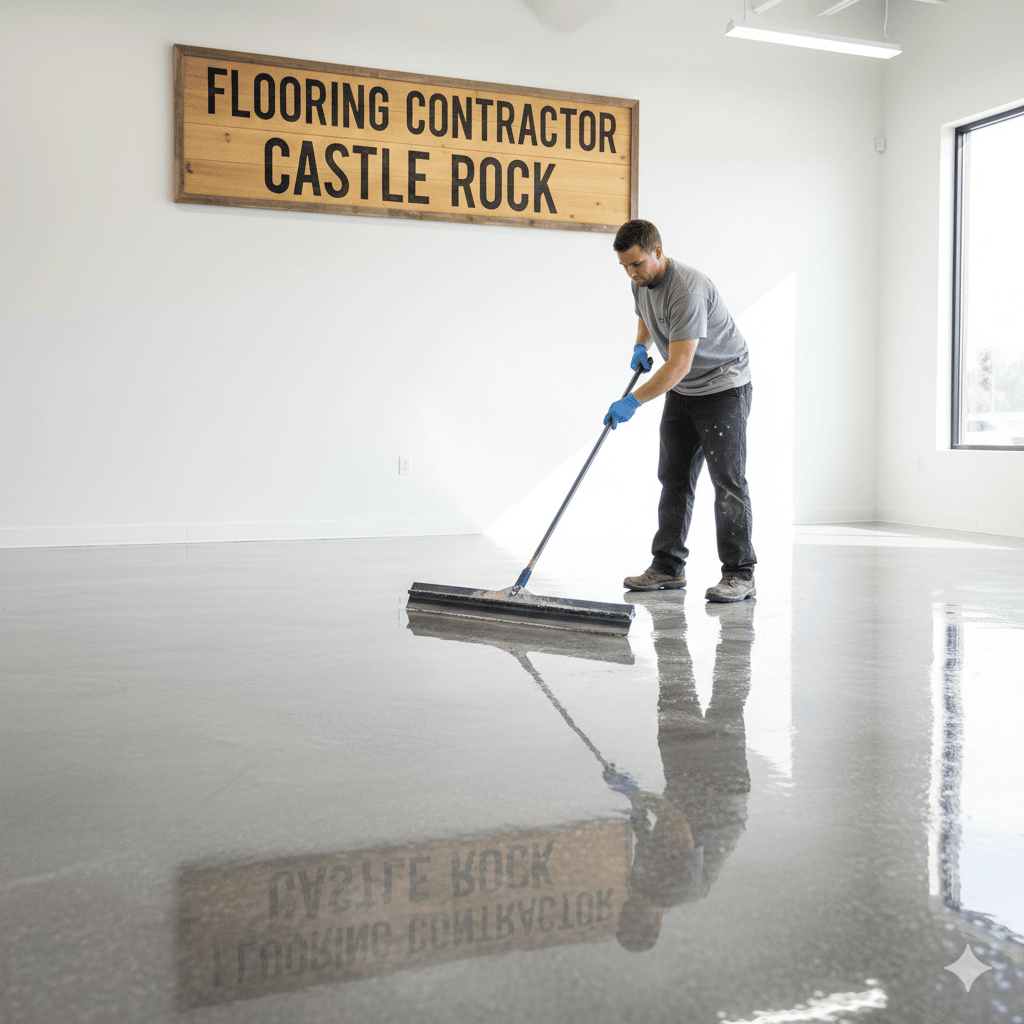
Do you have cracks, holes, or spalls in your concrete? You can't just apply epoxy and hope for the best. You must fix it first, or the epoxy will crack, too.
For small cracks, epoxy patching often works. Clean the crack, mix your epoxy, and fill it. Overfill it a bit, because it shrinks as it cures. Once it hardens, grind it down so it's even with the existing concrete.
If you have bigger problems, like larger areas of damaged concrete, you might need a concrete overlay. This is a thin layer of new concrete that you apply over the old. It’s more work, but it gives you a smooth, even surface. Self-leveling compounds are another option, especially if your floor is uneven. They pour on like a thick liquid and spread to create a level surface.
Whatever you use, make sure it’s for concrete repair and works with epoxy. Also, don’t skip the prep work! Clean the area well before patching. If you don't, the patch won’t bond, and you’ll have to redo it. The goal is a durable fix that will last as long as the epoxy floor itself.
Surface profiling is key to proper epoxy adhesion. Epoxy needs something to grip. A smooth surface will not work. You must create a texture the epoxy can bond with.
How do you do this? Grinding is common. Diamond grinders roughen the surface. Shot blasting works well on large areas. It shoots tiny beads at the floor to create a texture. Acid etching uses chemicals to create a rough texture. Be careful with acid etching. You must neutralize it, or you will have adhesion issues.
The profile needed depends on the epoxy. Some epoxies need a more aggressive profile. Check the manufacturer's specs. They often specify the Concrete Surface Profile (CSP) needed. Getting this wrong can cause issues later. Fixing it is a pain and costs money. Take the time to profile correctly. It is worth it.
After profiling the surface to give the epoxy something to grip, remove all dust and debris. If you skip this step, the epoxy won’t bond correctly, and you’ll end up with peeling or bubbling. No one wants that.
The best way to handle this is with a HEPA vacuum. These vacuums have filters that trap tiny dust particles. You can also use an air compressor with a blow gun to get into hard-to-reach spots, but be careful. Direct the dust toward the vacuum.
Minimizing airborne particles is for the epoxy's quality and your health. Wear a respirator mask to protect your lungs. Good ventilation is also key. Open windows or use fans to circulate the air.
Remember, safety first. Always wear safety glasses or goggles to protect your eyes from flying debris. Once you think you’re done, run your hand across the surface. If your hand comes away dusty, keep going until it's clean. Your epoxy floor will benefit.
Primers matter when you apply epoxy. They create a strong bond between the concrete and the epoxy. A good bond is key. The primer preps the surface so the epoxy can grab tight.
Primers do a few things. First, they seal the concrete. Concrete has tiny holes. Without a sealer, the epoxy can sink in unevenly. Second, primers boost adhesion. The epoxy sticks better. Skip the primer, and the epoxy might peel or flake later. No one wants that.
There are different primers. Some are epoxy-based, which makes sense. Others are urethane-based. Some handle moisture well. These are useful for concrete that is not fully dry, like in a basement. For most jobs, an epoxy primer works. Suspect moisture? Use a moisture-tolerant primer. Read the data sheets, and ask your supplier questions. They can help.
Moisture in concrete is a big problem for epoxy, especially in places with wild temperature swings. You must check for it before pouring epoxy.
Concrete is porous. It absorbs moisture from the ground, rain, and more. If you seal that moisture in with epoxy, it will cause bubbles and peeling, ruining your floor.
First, test the slab. Calcium chloride tests are standard, but electronic meters exist too. If you get high readings, figure out why. Is it groundwater or poor drainage?
Moisture barriers help. Install plastic or membrane layers under the slab before pouring. If moisture comes up from the ground in an existing slab, you might need a vapor retarder on top of the concrete before the epoxy. These coatings block moisture.
Dehumidification can help during epoxy application. Use dehumidifiers to pull moisture from the air and concrete. Remember, this is often temporary. Address the source of the moisture.
Ignoring this step wastes money. Your epoxy floor will fail, and you will redo it. Get it right from the start. It is cheaper in the long run.
Prepping a floor for epoxy in Castle Rock? You need the right tools. Here is a rundown of what you will likely need.
First, grinding equipment. You can rent or buy a concrete grinder. For smaller jobs, a handheld grinder with diamond grinding pads might work. For larger commercial spaces, use a walk-behind grinder. Renting helps keep costs down, especially if you don't do epoxy floors often.
Shot blasters work well for bigger jobs when you need to profile the concrete. Buying these can be costly, so renting is often the better choice. They remove coatings and create a rough surface, so the epoxy can grab on.
Do not forget a vacuum! You need an industrial-grade vacuum with a HEPA filter. Concrete dust is harmful, and you don’t want it everywhere or in your lungs. You can buy these, and it’s a worthwhile purchase if you do a lot of flooring.
Moisture meters are key. Too much moisture will ruin an epoxy job, causing bubbles. Get a reliable meter to check the concrete's moisture before you start. You can buy these online or at most contractor supply stores.
Finally, safety gear is not optional. Eye protection, respirators, gloves, and hearing protection are a must. Concrete work is loud and dusty, and epoxy chemicals can be harsh. Do not skip this. You can buy all of this at any hardware store.
Surface prep isn't just about a clean floor. Safety matters a lot. Chemicals, dust, and old coatings can be risky. Always use PPE, or Personal Protective Equipment. Don't skip it.
A respirator is a must. Use a proper respirator with the right filters, not just a dust mask. Consider what you're removing. Grinding old epoxy? It could contain silica. Always check the SDS, or Safety Data Sheet, for the materials you're using. It tells you what hazards exist and what PPE you need.
Use eye protection, like safety glasses or a face shield. Epoxy and your eyes don't mix. Wear chemical-resistant gloves to protect your skin. Use hearing protection. Grinders and scarifiers are loud. Your ears will thank you.
Good airflow is key. Open windows, use fans—anything to get fresh air moving, especially inside. Speaking of indoors, OSHA has rules for ventilation, PPE, and waste disposal. Know them. Follow them. Fines and injuries aren't worth it.
Also, no eating, drinking, or smoking where you work. Wash your hands after handling materials. It seems clear, but it's easy to forget on the job. Treat every job as risky, and you'll be safer.
Let's look at some real-world examples. Field experience shows surface preparation matters.
Consider the warehouse job near Founders Parkway. The client wanted to skip diamond grinding to save money. We said the epoxy would not bond to the polished concrete. They insisted. Six months later, the epoxy peeled. Fixing it cost more than proper prep would have.
Then there was the residential garage downtown. The homeowner tried a DIY epoxy floor but did not degrease after an oil spill. Fish eyes appeared everywhere. We had to re-grind the surface, apply an underlayment, and then do the epoxy. It looked great in the end, but it was a headache.
For Castle Rock, think about the freeze-thaw cycle. Any moisture trapped under the epoxy will expand when it freezes, and the epoxy will crack. This often happens on patios and walkways if the concrete wasn't sealed or prepped. Proper prep, especially moisture testing, prevents these failures. Doing it right the first time is cheaper.
You are laying down epoxy, and things go wrong. It happens. Let's discuss some common mistakes and how to fix them. After all, nobody wants a callback.
First, adhesion failure. This usually means you did not prep the floor well enough. Did you grind it down and remove all the old coatings? If there is even a bit of grease or old adhesive, the epoxy will not stick. You will see peeling and flaking. How do you fix it? Grind it again. Start over, ensure the surface is porous, and then clean it thoroughly.
Bubbling is another big issue. This can come from moisture in the concrete, so always test for that. Or, it could be from applying the epoxy too thick or the temperature being off. If it is bubbling due to thickness, sometimes you can pop them with a spiked roller while it is still wet. But if it is moisture, you might need a moisture barrier. Inconsistent finishes? Your mixing might not have been thorough, or your application technique is off. Ensure you are using the right tools and applying even coats. Overlap each pass slightly. Follow the manufacturer’s instructions on mixing ratios and cure times. There is a reason they include that!
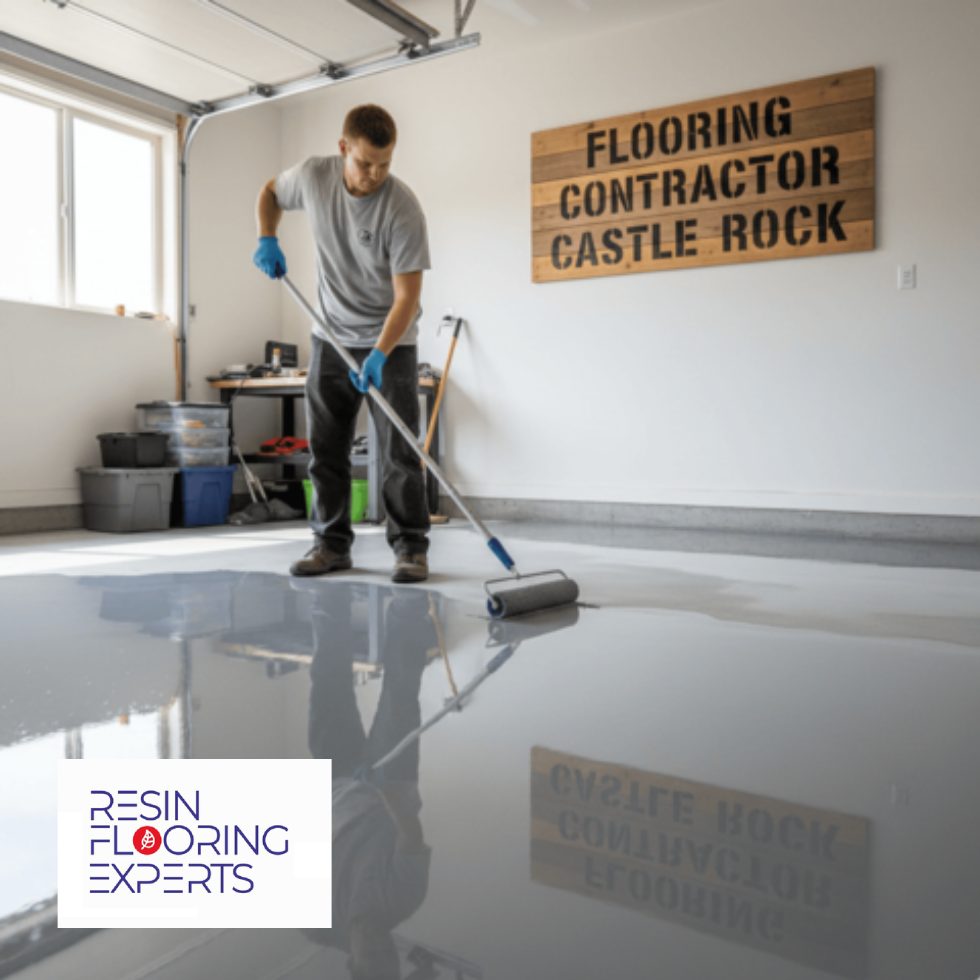
When we talk about getting surfaces ready for epoxy, it's not about slapping something on and hoping for the best. Things are changing fast, and you need to stay current.
Think about dustless grinding systems. These aren't your grandpa's grinders. This equipment vacuums up dust as you grind. Here is why this matters. First, it’s way better for air quality. This is a must with tightening rules. Second, it gives you a cleaner surface for the epoxy to bond to. Less dust equals better adhesion.
Then there are the chemical etching solutions. Forget harsh acids that can damage the concrete. Now we have options that prep the surface without all the nasty side effects. Plus, these new formulas often work faster and more consistently than the old methods.
Do not forget moisture testing. Moisture is the enemy of epoxy. New sensors can give you accurate readings in minutes, so you know if the slab is ready. This can save you from failures later. You don't want bubbles or peeling.
The main point? Investing in these technologies isn't just about keeping up. It's about offering a better product and protecting yourself from problems later. It positions you as the pro who knows their stuff and delivers results.
Why is surface prep so important for epoxy floors? Epoxy needs something to grab. If the surface is dirty or uneven, the epoxy will not bond well. It is like trying to stick tape to a dusty wall.
If epoxy does not bond right, you will have problems. Think peeling, chipping, and a floor that does not last. You want long-term durability and a great look that lasts for years.
Good surface preparation helps the epoxy stick, which makes a strong surface. This makes the floor last and look better. A smooth surface means a great finish that improves how the space looks. Happy clients also mean repeat business. It is worth doing it right.
What is the next step? Are you ready to learn about surface preparation and make your next epoxy floor project a success? Contact us today for guidance and the right products. Let's make sure those floors look great!